What is What Is the 'Wow, Okay' TikTok Trend? The Two-Word Acting Challenge Taking Over June 2026?
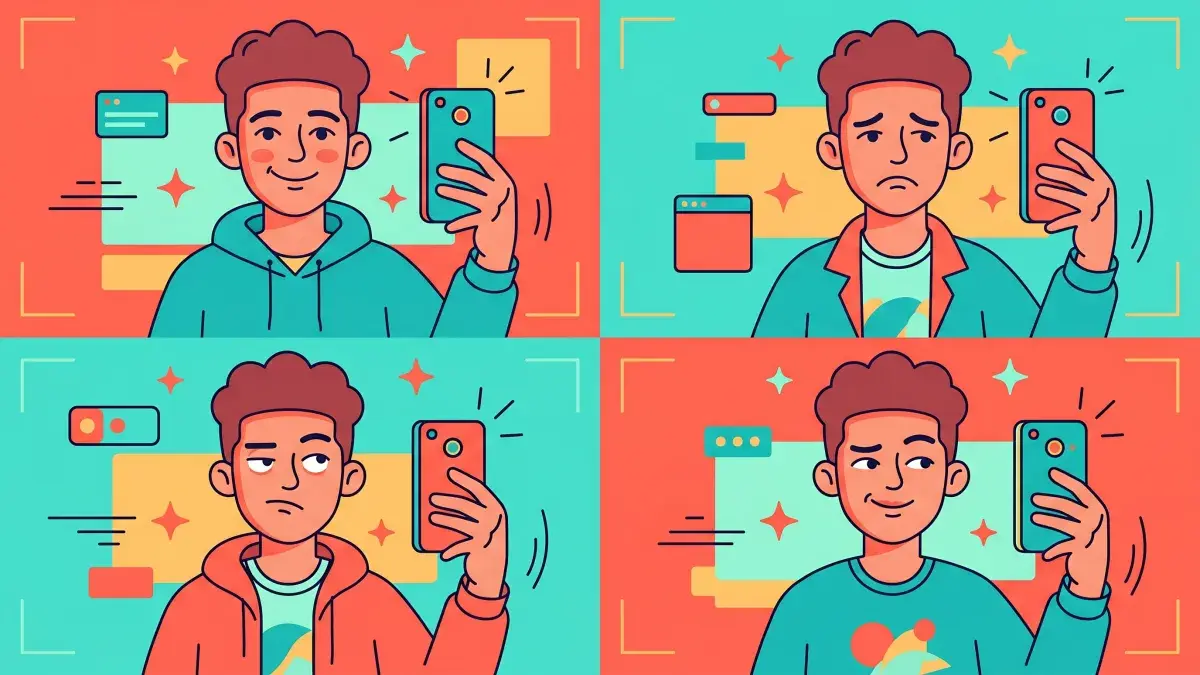
Open TikTok in June 2026 and you will almost certainly run into the same two words said four different ways: "Wow. Okay." One take is warm and supportive. The next is quietly crushed. The third drips with sarcasm. The last one is unmistakably flirty. It is the same phrase every time — only the delivery changes — and that simple constraint has turned into one of the dominant TikTok formats of the month.
The "Wow, okay" trend is an acting-range challenge: a single line, performed across a fixed set of emotions, with on-screen text numbering each read so viewers can rank their favorite in the comments. It needs no trending audio, no template, and no editing tricks — just a phone, original sound, and a willingness to overact. That low barrier is a big part of why it spread so fast.
How the 'Wow, okay' trend works
The standard version is built around four tones, performed in sequence in a single video:
1. Supportive — warm, lifted delivery, the kind of "wow, okay!" you'd give a friend sharing good news. 2. Disappointed — a tightened jaw, lowered eyes, and a deliberate pause before the "okay" lands. 3. Sarcastic — clipped timing, an eye-roll or eyebrow raise, and an audible edge. 4. Flirty — a softer cadence, a half-smile, and a playful gaze straight down the lens.
Creators film themselves running through all four reads back to back, with numbered captions overlaid so the audience can debate which one hit hardest. The whole appeal is the contrast: the exact same two words can read as encouragement, heartbreak, shade, or a come-on depending entirely on tone, body language, and vocal color. It is a tiny, self-contained lesson in how delivery makes meaning — which is also why drama students, voice actors, and improv people latched onto it immediately.
Like the self-aware acting trends that came before it, the joke cuts both ways. A genuinely good run is a flex; a hammy, over-the-top run is the punchline. "The bad acting is the joke just as much as the good acting is the flex," as creators have put it. Duo versions tend to outperform solo ones, because a reaction shot from a second person amplifies the payoff of each emotional switch.
Why it blew up in June 2026
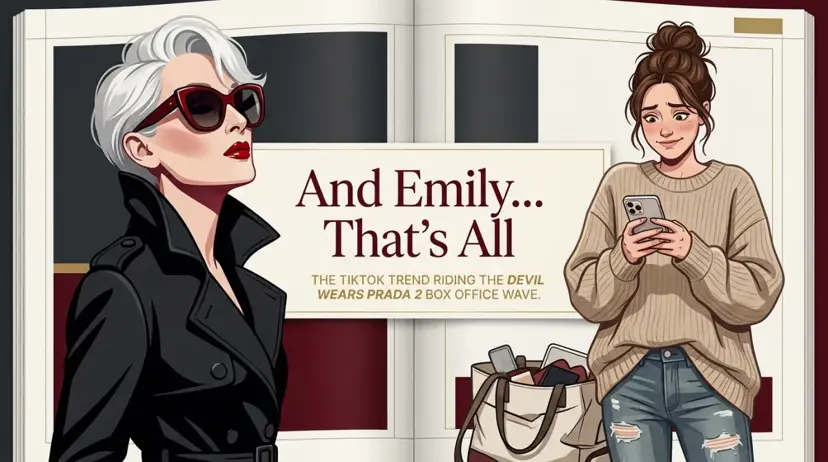
Three things made "Wow, okay" a perfect storm. First, it is frictionless. Unlike audio-driven trends that require finding and syncing a specific sound, this one runs on original audio and pure performance — anyone can do it in one take. Second, it is inherently rankable: numbering the four reads turns every video into a built-in comment-section poll, and engagement-bait that feels like fun ("which one was best? mine's #3") is rocket fuel for the algorithm. Third, it is endlessly remixable. Once the four-emotion structure caught on, creators swapped in their own phrases and their own emotion sets, the same way the "And Emily, that's all" Miranda Priestly format spawned dozens of role-play variations.
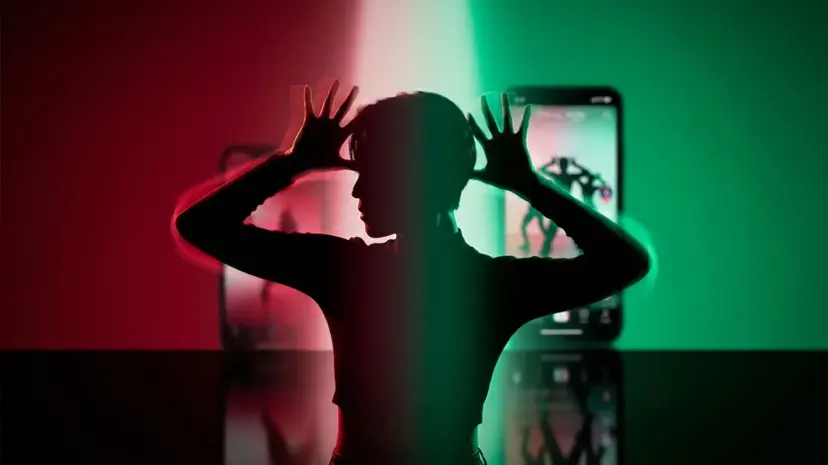
It also rode the broader 2026 wave of "acting reel" content on TikTok, where short performance challenges double as informal auditions. That same impulse powered formats like the "I have therapy" POV trend and the playful physicality of the CORTIS RedRed wiggle-ears challenge. "Wow, okay" distilled the genre down to its purest form: no props, no choreography, just a face, a voice, and two words.
Where did 'Wow, okay' come from?
As with most TikTok formats, there is no single confirmed originator — the trend bubbled up organically from the platform's acting-challenge subculture in late May and early June 2026 before exploding across For You pages by the second week of June. Local news segments (including a "Trending Tuesday" explainer that aired June 9, 2026) had picked it up by mid-month, a reliable sign a trend has crossed from niche to mainstream. Expect it to follow the usual TikTok arc: a roughly one-to-two-week saturation window, after which the format gets absorbed into the platform's permanent grab-bag of remixable bits.
How to do the 'Wow, okay' trend
Keep it tight. Shoot in good light, frame your face clearly, and commit fully to each emotion — half-measures kill the contrast. Number your reads on screen (1 supportive, 2 disappointed, 3 sarcastic, 4 flirty), and post quickly, because performance challenges saturate fast. If you can, grab a friend for the duo version: the reaction shot is where a lot of these videos earn their rewatches. And don't be afraid to overact. On this trend, going too big is the format.
Origin
The 'Wow, okay' acting-range challenge emerged organically from TikTok's performance-challenge subculture in late May / early June 2026 and exploded across For You pages in the second week of June. The format: say the same two-word phrase ('Wow. Okay.') four ways — supportive, disappointed, sarcastic, flirty — with numbered on-screen captions so viewers rank the reads in the comments. No specific originating creator has been confirmed. Documented by NewEngen, WILX 'Trending Tuesday' (June 9, 2026), Epidemic Sound, and TikTok's own discover pages.
Timeline
Why Is This Trending Now?
It is trending because it is the most frictionless acting trend going: no trending audio, no template, no editing — just one phone, one take, and committed (often deliberately bad) acting. The numbered four-emotion structure turns every clip into a built-in comment poll ('which read was best?'), which juices engagement, and the format is endlessly remixable with new phrases and new emotion sets. It rides the broader June 2026 wave of TikTok 'acting reel' content, and crossed into mainstream awareness when local-news segments started explaining it mid-month.