What is World Cup 2026 Group-Stage Drama, Explained: USMNT's Historic Run and Bellingham's England (June 2026)?
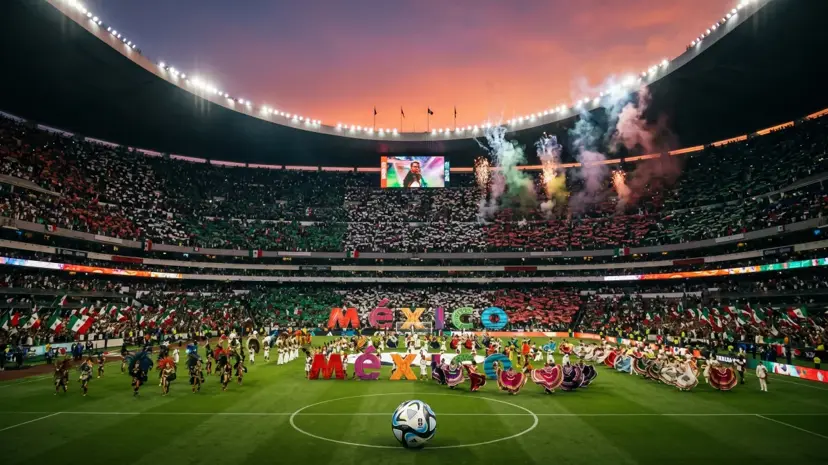
The expanded 2026 World Cup, co-hosted across the United States, Canada and Mexico, was supposed to be a logistical experiment. Through the group stage it turned into something more dramatic: a co-host playing the best football of its modern era, England grinding out results behind a vintage Jude Bellingham performance, and a 48-team format that produced more meaningful matches than anyone expected. Here is what actually happened, and why the knockout bracket suddenly looks wide open.
The USMNT's historic group stage
Under Mauricio Pochettino, the United States men's national team did something it had not managed since 1930: it won its opening two World Cup matches. The U.S. opened with a 4-1 demolition of Paraguay in Los Angeles - the most goals the USMNT has ever scored in a single World Cup match - then sealed qualification with a 2-0 win over Australia in Seattle, built on an early own goal and an Alex Freeman header before halftime.
That booked a knockout-stage spot after only two games, the fastest the U.S. has ever advanced under the current format. With top spot already secured, a dead-rubber 3-2 loss to Turkiye in the final group match did nothing to dent the achievement. The U.S. finished as Group D winners with a program-record goal tally and now faces Bosnia and Herzegovina in the round of 32. This is the same wave of home-tournament momentum we tracked back at the World Cup 2026 opener.
Bellingham carries England past Panama
England's group stage was less spectacular but quietly effective. On June 27, in front of a tense crowd, England beat Panama 2-0 to win Group L. Jude Bellingham broke the deadlock in the 62nd minute, stabbing home with his left foot from a Bukayo Saka corner, then turned provider five minutes later, crossing from the left for Harry Kane to head in his 82nd international goal.
It was not a vintage England display - critics called it limp - but it was enough to top the group and avoid a tougher knockout draw. Bellingham's fingerprints on both goals reinforced what England fans have come to expect: in matches that threaten to drift, he is the player who forces the issue.
Why this tournament is trending
Three things are driving the conversation. First, the 48-team format means three group games can carry genuine stakes deep into the matchday calendar, keeping casual viewers engaged longer. Second, a co-host overperforming is rocket fuel for domestic interest - U.S. television and social numbers have spiked with every USMNT win, the kind of home-crowd effect that turned March Madness 2026 into a cultural moment earlier this year. Third, the bracket math: with several pre-tournament favorites stumbling, the projected path to the final has opened up for teams like the U.S. that few had penciled into the later rounds.
The tournament has also become a genuine economic story. Host cities are reporting record travel and hospitality demand, and the betting and fan-token markets around individual matches have ballooned - a reminder that a modern World Cup is as much a financial event as a sporting one. Readers tracking that angle can see how major events ripple into markets in our coverage over at the ETF and markets explainer.
The format proves its critics wrong
Pre-tournament skeptics worried that a 48-team field would dilute quality and stuff the calendar with meaningless mismatches. Through the group stage the opposite happened. The larger field gave smaller nations a genuine route to the knockouts, which kept matches competitive into the final round rather than letting favorites coast. It also spread the drama across more host cities, turning the event into a rolling national story in all three host countries rather than a handful of marquee fixtures. The expanded round of 32 - new for this edition - means more elimination games, more upset potential, and a longer runway of must-watch knockout football than any previous World Cup.
What to watch in the knockouts
The round of 32 is where the expanded format gets its first real test. The U.S. will be favored against Bosnia and Herzegovina but carries the weight of home expectation - a dangerous combination for a young squad that has not been tested by an elimination game this tournament. England, meanwhile, will want more than a Bellingham rescue act; topping a manageable group is one thing, but the knockout rounds historically expose teams that cannot create chances in open play.
For now, the group stage delivered exactly what a home World Cup needed: a co-host to believe in, a superstar reminding everyone why he is rated, and a format that - whatever the purists feared - produced drama rather than dead rubbers.
Origin
The expanded 48-team 2026 World Cup, co-hosted by the US, Canada and Mexico, produced unexpected group-stage storylines: a co-host overperforming and marquee names delivering in tight games.
Timeline
Why Is This Trending Now?
A home co-host winning its opening two matches for the first time since 1930, combined with a star turn from Jude Bellingham, spiked TV and social engagement and reopened the projected path to the final.