What is Skin Barrier Repair: The 2026 K-Beauty Trend Replacing Glass Skin?
If you spent 2024 and 2025 chasing the dewy, lit-from-within look of glass skin, 2026 has a plot twist for you: Korean skincare has stopped trying to fix your face and started trying to protect it. The single biggest K-beauty story of the year is skin barrier repair — the idea that most of the redness, flaking, breakouts and stinging people blame on "sensitive skin" is actually a damaged moisture barrier, and that the fastest route to a healthy complexion is to rebuild that barrier rather than strip it with one more acid or retinol.
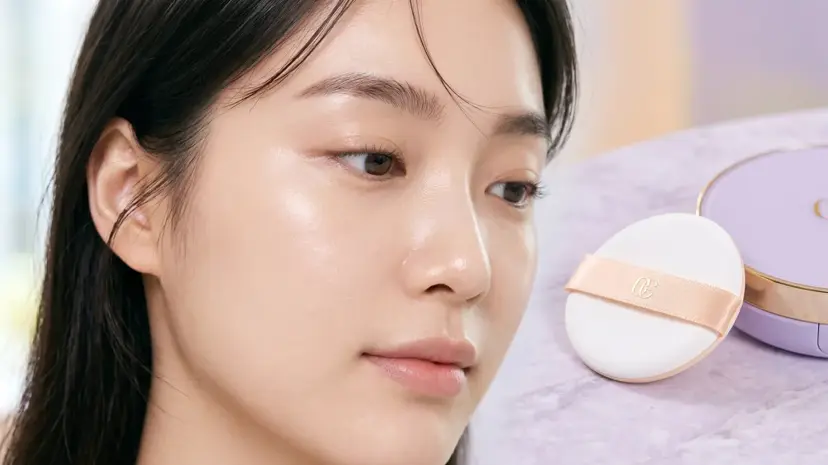
On TikTok the trend has its own name now — "bloom skin," skin so healthy it looks like it is glowing from underneath without a drop of filter or foundation. But strip away the marketing and barrier repair is the most science-backed thing K-beauty has gone viral for in years. Here is what it actually means, why it took over in June 2026, and the Korean products people are using to do it.
What "skin barrier repair" actually means
Your skin barrier — the stratum corneum, if you want the textbook term — is the outermost layer of your skin. Picture a brick wall: the "bricks" are skin cells and the "mortar" between them is a blend of ceramides, cholesterol and fatty acids. When that mortar is intact, water stays in and irritants stay out. When it is damaged — by over-exfoliating, harsh cleansers, too many actives, weather, or just stress — water escapes, irritants get in, and you get the whole miserable combo of dryness, redness, tightness and random breakouts.
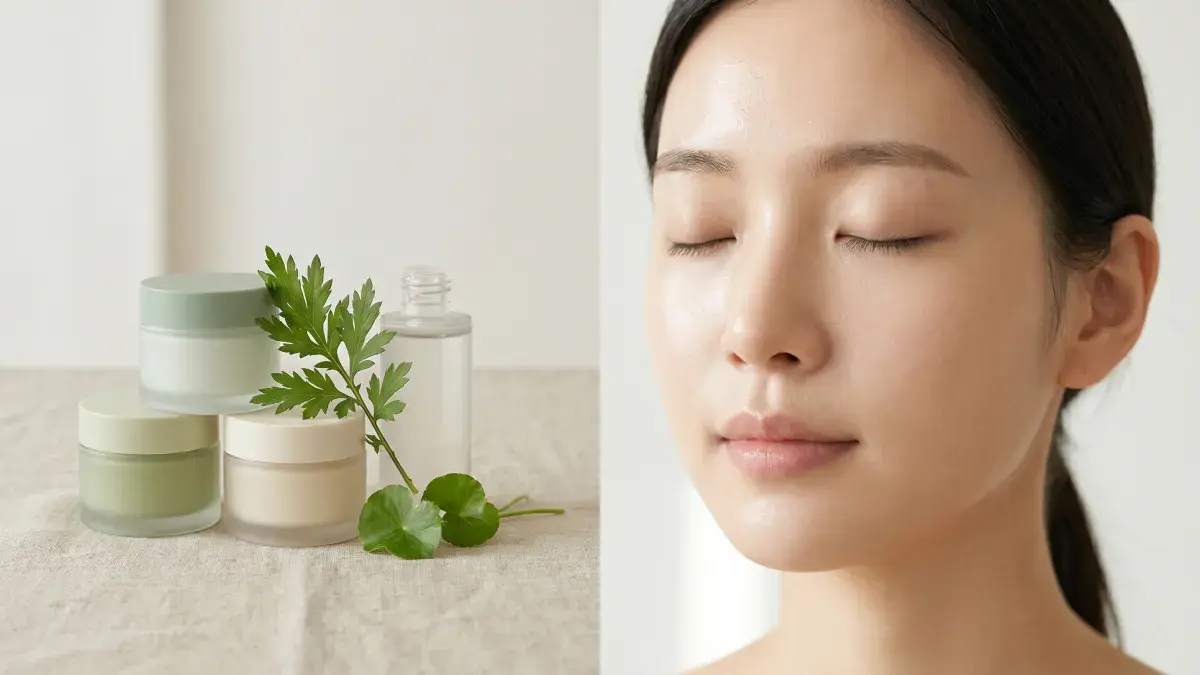
Barrier repair is the opposite of the aggressive "more actives, more results" approach that dominated the late 2010s. The 2026 philosophy is gentler: pull back on anything stripping, then flood the skin with the exact lipids and soothing botanicals it needs to rebuild the mortar. The hero ingredients are ceramides, panthenol (provitamin B5), centella asiatica (cica), and mugwort (artemisia) — all of which Korean labs have been formulating around for years, which is exactly why K-beauty owns this conversation. It is a close cousin of the slugging trend, except slugging seals moisture in overnight while barrier repair rebuilds the wall itself.
Why it's trending right now
Three things collided in the first half of 2026. First, "skin barrier" became one of the fastest-growing search terms in beauty, with creators posting before-and-afters of calming months of redness and "purging" they had wrongly blamed on products. Second, the industry forecasts caught up: K-beauty trend reports for 2026 named barrier-first, science-backed skincare the number-one shift of the year, dethroning the relentless glow-chasing of the demure era. Third — and this is the part people underestimate — barrier repair is a reaction to burnout. After years of 10-step routines and shelves full of acids, a lot of people simply broke their own skin, and "do less, repair more" landed as a relief.
It also dovetails neatly with the Korean sunscreen boom: a strong barrier and daily SPF are the two pillars of the "bloom skin" look, and 2026 is the year US consumers fully bought into both.
The MISSHA products people are reaching for
MISSHA is one of the K-beauty houses best positioned for this trend, because it has been formulating around mugwort, ceramides and fermentation long before "barrier repair" was a hashtag. A few of its products map almost perfectly onto the routine. As an Awin affiliate, we earn from qualifying purchases.
The natural centerpiece is the MISSHA Artemisia Calming Moisture Cream ($32). It is built on double-fermented artemisia (mugwort) extract plus ceramide NP and dipotassium glycyrrhizate — which is basically the barrier-repair shopping list in one jar: a calming botanical to quiet redness and a ceramide to rebuild the mortar. It is aimed at sensitive and acne-prone skin, the exact group that benefits most from backing off actives.
Layered underneath, the MISSHA Time Revolution The First Essence 5X ($39) does the "flooding" step — a 97% fermented essence that delivers dense, lightweight hydration and helps maintain the skin's pH balance, which is itself a barrier function. It is the brand's cult product, with over 13 million bottles sold, and it slots in right after cleansing as the first hydration layer.
For the overnight repair step, the MISSHA Cell Renew Snail Sleeping Mask ($26) leans on snail secretion filtrate, niacinamide and centella asiatica to soothe and support skin repair while you sleep — a gentler, leave-on alternative to heavy slugging for people whose barrier is already irritated. Used a few nights a week, it is the "repair while you rest" bookend to a calmer daytime routine.
How to actually do it (without overdoing it)
The mistake most people make is treating barrier repair as another thing to add. It is mostly a thing to subtract. Pause exfoliating acids, retinoids and any high-strength actives for a few weeks. Cleanse with something gentle and non-stripping. Then keep the routine short: a hydrating essence, a ceramide-and-cica moisturizer, and SPF in the morning, with an overnight repair step a few nights a week. Dermatologist-leaning K-beauty guides put the timeline at roughly six to eight weeks for a compromised barrier to recover before you reintroduce actives slowly.
That patience is the whole point. Barrier repair is less a single product and more a philosophy — and it is why 2026's most-talked-about complexion isn't a trick of makeup or a filter, but skin that has simply been left alone long enough to heal.
Origin
The skin barrier repair trend grew out of a backlash against the aggressive, actives-heavy routines of the late 2010s and early 2020s. Korean brands — long focused on gentle, fermentation- and botanical-based formulas — were already built around ceramides, centella asiatica (cica), panthenol and mugwort (artemisia), the exact ingredients that rebuild the skin's lipid barrier. In late 2025 and the first half of 2026, beauty creators on TikTok began reframing redness, flaking and breakouts not as 'sensitive skin' but as a compromised barrier, and the corrective approach — pull back on actives, flood with lipids and soothing ingredients — went viral under names like 'barrier repair' and 'bloom skin.' 2026 K-beauty trend forecasts named barrier-first, science-backed skincare the number-one shift of the year.
Timeline
Why Is This Trending Now?
It's trending because it inverts the previous decade of skincare advice: instead of adding more acids and retinols, the message is to do less and repair more — a relief for people who broke their own skin with 10-step routines. 'Skin barrier' became one of the fastest-rising beauty search terms in early 2026, dermatologist-leaning K-beauty content amplified it as legitimately science-backed (not just marketing), and the TikTok 'bloom skin' rebrand gave it a glow-up aesthetic that spread fast. It also pairs naturally with 2026's Korean sunscreen boom, since a strong barrier plus daily SPF are the two pillars of the look.
Frequently Asked Questions
Sources
- BeautyMatter – 2026 K-Beauty Forecast: Top 7 Data-Backed Trends
- knok global – How to Repair Your Skin Barrier With Korean Products: Complete Guide
- Korean Skincare Coach – Top Skincare Trends for 2026 and the Ingredients Driving the Shift
- Try Beauty Care – Korean Skincare Trends in 2026: 9 Viral Secrets
- MISSHA US – Artemisia Calming Moisture Cream