What is Slugging Explained: The K-Beauty Skin-Sealing Trend Taking Over 2026 (And How to Do It Right)?
Open TikTok at night and you will eventually land on it: someone smoothing a thick, glossy layer of balm over their already-moisturized face, then turning to the camera with a shiny, sealed-in glow. That is "slugging," and in mid-2026 it is one of the most-searched K-beauty techniques in the US — the unglamorous, oddly satisfying counterpart to the glass skin look everyone is chasing. Slugging is not a product you buy. It is the final step of a nighttime routine, and done right it is one of the cheapest, most effective ways to wake up with a plumper, calmer, more reflective complexion.
This guide explains what slugging actually is, why it has resurged in 2026, who should (and should not) do it, and the simple three-layer routine that makes it work. We will name a few products where they genuinely matter — but the order and the technique matter far more than any single jar on your shelf.
What is slugging?
Slugging is the practice of applying a thin layer of an occlusive — a moisture-sealing agent like petrolatum, a balm, or a heavy occlusive cream — as the very last step of your evening skincare. The name comes from the slug-like sheen it leaves on the skin. The occlusive does not hydrate on its own; it forms a breathable seal that stops water from evaporating out of your skin overnight, a process dermatologists call transepidermal water loss. The result the next morning is skin that looks plumper, feels softer, and reflects light more evenly.
The key thing most beginners get wrong: slugging only works if you seal in something worth sealing. Occlusion on dry, bare skin does very little. You first flood the skin with water-based hydration and a barrier-supporting cream, then you lock it all in. Think of it as three layers — hydrate, nourish, seal.
Why slugging is trending in 2026
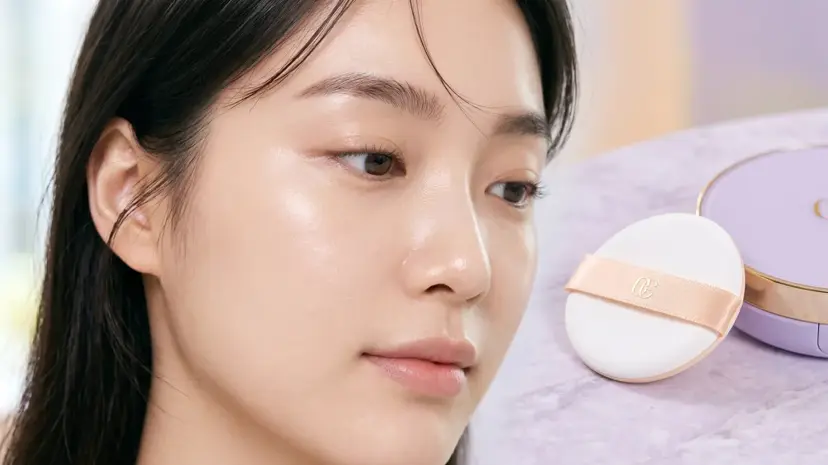
Three forces pushed slugging back into the spotlight this year. First, the broader 2026 beauty mood is "skin-first" — the same shift that drove the glass skin trend and the wider move away from heavy, matte full-coverage makeup toward natural, dewy, healthy-looking skin. Slugging is the skincare engine behind that look: you cannot fake glass skin on a dehydrated, compromised barrier.
Second, "skin barrier" went mainstream. After years of over-exfoliating with acids and retinoids, a lot of people walked away from 2024-2025 with irritated, reactive skin. Slugging is a low-cost barrier-repair ritual, and dermatologists on TikTok have been recommending it specifically for people recovering from over-exfoliation. Third, it is recession-friendly content: a tub of occlusive balm costs a fraction of a designer moisturizer, and the before-and-after is dramatic enough to make great short-form video. Cheap plus visible plus dermatologist-endorsed is a perfect storm for a viral routine.
The three-layer slugging routine
Here is the version that actually delivers the dewy, sealed-in result — not just a greasy face.
Layer 1 — Hydrate with a watery essence
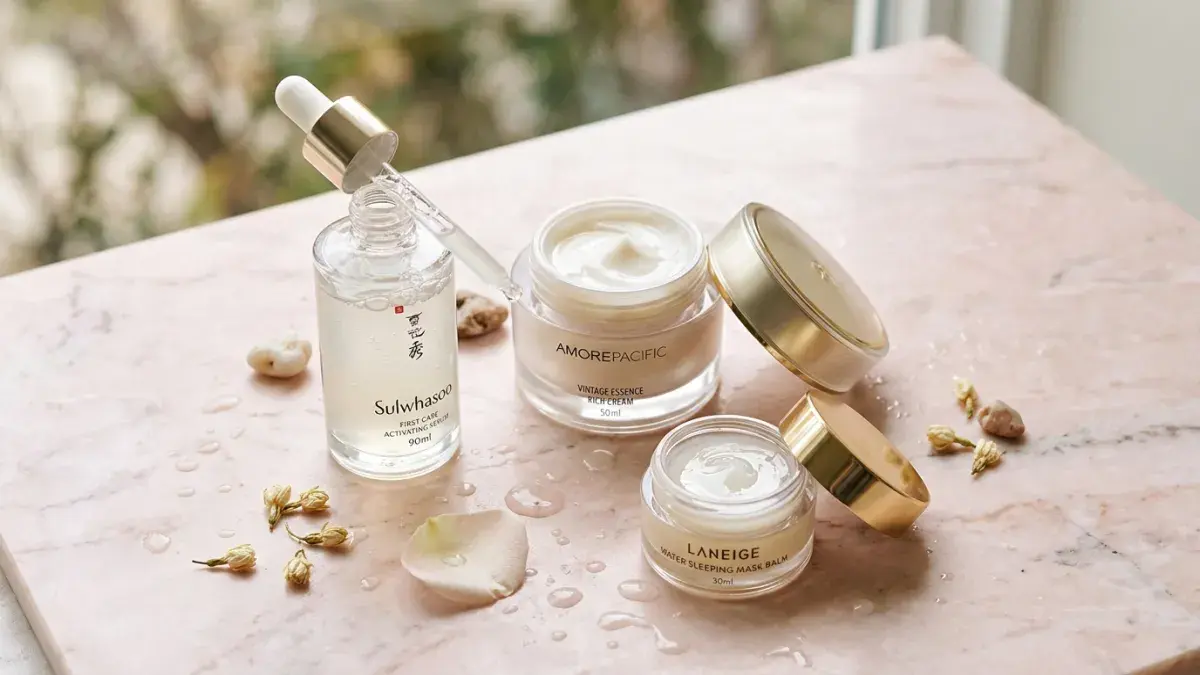
After cleansing, your skin needs water-based hydration to give the occlusive something to trap. A lightweight, fast-absorbing essence is the classic K-beauty first step. MISSHA's flagship Time Revolution The First Essence 5X is the prototypical "first treatment essence" — a fermented, watery layer you press in before anything heavier. Pat in one to two layers and let it sink in. As an Awin affiliate, we earn from qualifying purchases.
Layer 2 — Nourish and support the barrier
Next comes a moisturizer that feeds the barrier with lipids and soothing actives — this is the layer the occlusive will protect. If your skin is reactive or recovering, a calming, ceramide-supported cream is ideal. The Artemisia Calming Moisture Cream leans into soothing, redness-calming ingredients, which makes it a sensible middle layer for irritated or post-exfoliation skin. Apply an even layer to slightly damp skin so you are sealing in water, not just cream.
Layer 3 — Seal it in
The final, defining step is the occlusive. Traditionalists use a thin film of plain petrolatum (an inexpensive petroleum-jelly type balm), but if you want something that doubles as overnight treatment, a rich occlusive sleeping mask works beautifully. The Cell Renew Snail Sleeping Mask is a heavy, sealing overnight layer with snail mucin — it occludes while also adding its own film of slip and humectants. Use a pea-to-dime amount, warm it between your fingers, and press a thin layer over the high points of your face. The goal is a faint sheen, not a thick, suffocating coat.
Who should slug — and who should skip it
Slugging is best for dry, dehydrated, flaky, or barrier-compromised skin, and for anyone in a cold or low-humidity environment where skin loses water fast overnight. It is also genuinely useful as occasional barrier repair after a stretch of aggressive actives.
It is not for everyone. If you are acne-prone or have very oily, congested skin, sealing everything in overnight can trap oil and trigger breakouts — patch-test on a small area first, and consider slugging only your driest zones (cheeks, around the mouth) rather than your whole face. Critically, never slug over active ingredients like retinoids or acids: occlusion dramatically boosts their penetration and can cause serious irritation or chemical burns. Slug on your "recovery" nights, not your active nights. This is exactly why slugging pairs so naturally with skin cycling-style routines that already separate active nights from rest nights.
Slugging vs glass skin: how they fit together
People often confuse the two because they chase the same payoff — luminous, reflective skin. The difference is timing and goal. Glass skin is the daytime finish (a hydrated base plus a sheer, dewy makeup application), while slugging is the nighttime infrastructure that keeps the barrier hydrated enough to make that finish possible. Do your slugging at night; reap the glass-skin glow in the morning. If you want the full makeup side of that look, the essence-first hydration step above is the same foundation both routines are built on.
Common mistakes
The three errors that turn slugging from a glow-up into a greasy mess: applying occlusive over dry skin (seals in nothing), using too much product (clogs and smothers), and slugging over actives (irritation). Get the order right, keep the final layer thin, and reserve it for recovery nights, and slugging is one of the highest-return, lowest-cost steps in modern K-beauty.
Origin
Slugging originated as a K-beauty barrier-repair technique built around applying an occlusive (classically petrolatum) as the final nighttime step to lock in hydration overnight. It first went viral in Western beauty media around 2021-2022, then resurged to the top of US K-beauty search in mid-2026 as the 'skin barrier' conversation and the skin-first beauty mood pushed low-cost, dermatologist-endorsed routines back into the spotlight.
Timeline
Why Is This Trending Now?
It's trending because 2026's beauty mood is decisively skin-first — the same shift driving the glass skin look — and slugging is the nighttime engine behind that dewy, reflective complexion. After years of over-exfoliation left many with reactive skin, 'skin barrier' went mainstream and slugging became the go-to low-cost repair ritual. It's also perfect short-form content: cheap, visually dramatic before-and-afters, and dermatologist-endorsed.