What is Gen Z Stopped Buying Stuff and Retailers Lost Billions — Was It Worth It??
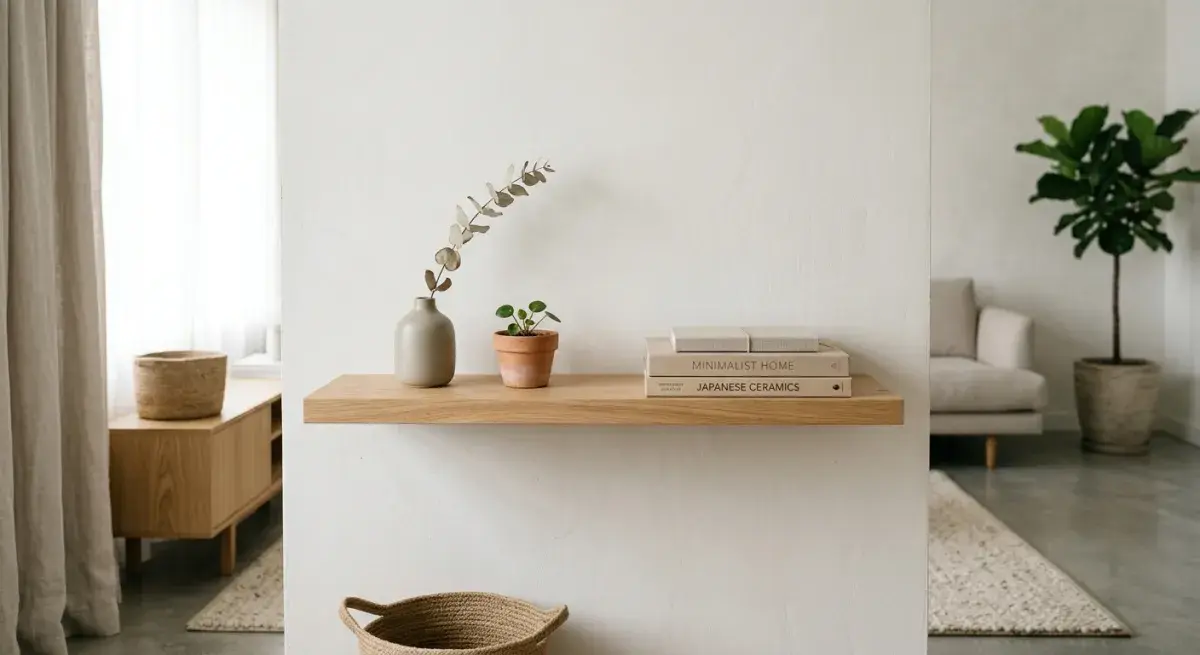
Underconsumption core is a social media aesthetic and lifestyle movement centered on buying less, using products until they're empty, and resisting the constant push to purchase new things. It emerged as a direct counter to the haul culture, 'TikTok made me buy it' videos, and influencer-driven consumption that dominated social media from 2020 to 2025. Creators post videos of their nearly-empty skincare bottles, worn-in clothing, patched bags, and minimal wardrobes. The aesthetic intentionally looks unglamorous -- the point is that normal, used items are fine. Some creators track how long products last or challenge themselves to buy nothing new for months. The movement connects to real economic anxiety. With inflation, housing costs, and student debt pressing on younger consumers, 'just buy less' resonates as both practical advice and political statement. It also reflects growing environmental consciousness -- fast fashion and overconsumption are framed not just as personal finance issues but ecological ones. Brands have noticed. Several major retailers reported that the underconsumption trend contributed to weaker Q4 2025 sales among Gen Z consumers. Some brands attempted to co-opt the aesthetic (Patagonia's 'Don't Buy This Jacket' energy), while others struggled with a consumer base that's actively celebrating not buying. Critics argue the movement is performative -- that posting about not consuming is still content creation for engagement. Supporters counter that normalizing moderation in a culture of excess has genuine value regardless of the medium.
Origin
The hashtag #underconsumptioncore appeared on TikTok in mid-2024 and gained traction through the second half of that year. The earliest viral posts came from creators like @gittemary and @sustainably.vegan who had existing audiences around minimalism. The trend accelerated in early 2025 when mainstream creators outside the sustainability niche began posting 'anti-haul' content, reaching 2 billion TikTok views by June 2025. The movement continued growing through early 2026 as economic pressures intensified.
Timeline
Why Is This Trending Now?
Underconsumption core resurged in March 2026 driven by several converging factors. A widely-shared UN report on textile waste in February 2026 gave the movement fresh data to cite. Multiple Gen Z financial influencers launched '100 day no-buy challenges' in January that peaked in visibility in March. And the contrast with persistent influencer haul culture keeps providing content fodder -- every new luxury haul video spawns underconsumption response content.