What is The Millennial Nostalgia Platform Revival: Why the Y2K Web Is Coming Back in 2026?
The MySpace revival is the headline story, but it is one instance of a much larger shift. In 2026, the aesthetics, formats, and even the specific platforms of the early-2000s internet are coming back — not as ironic throwbacks but as genuine alternatives that a burned-out generation actively prefers. Call it the millennial nostalgia platform revival, and understand that Gen Z is driving as much of it as the Millennials who lived through it the first time.
What's actually being revived
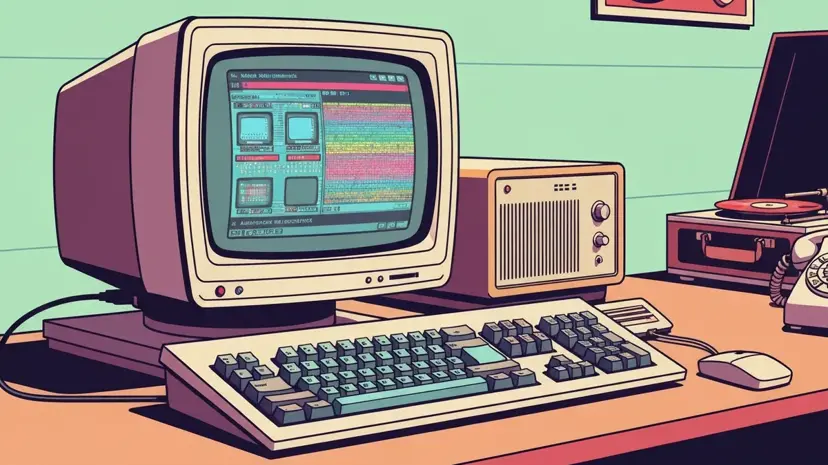
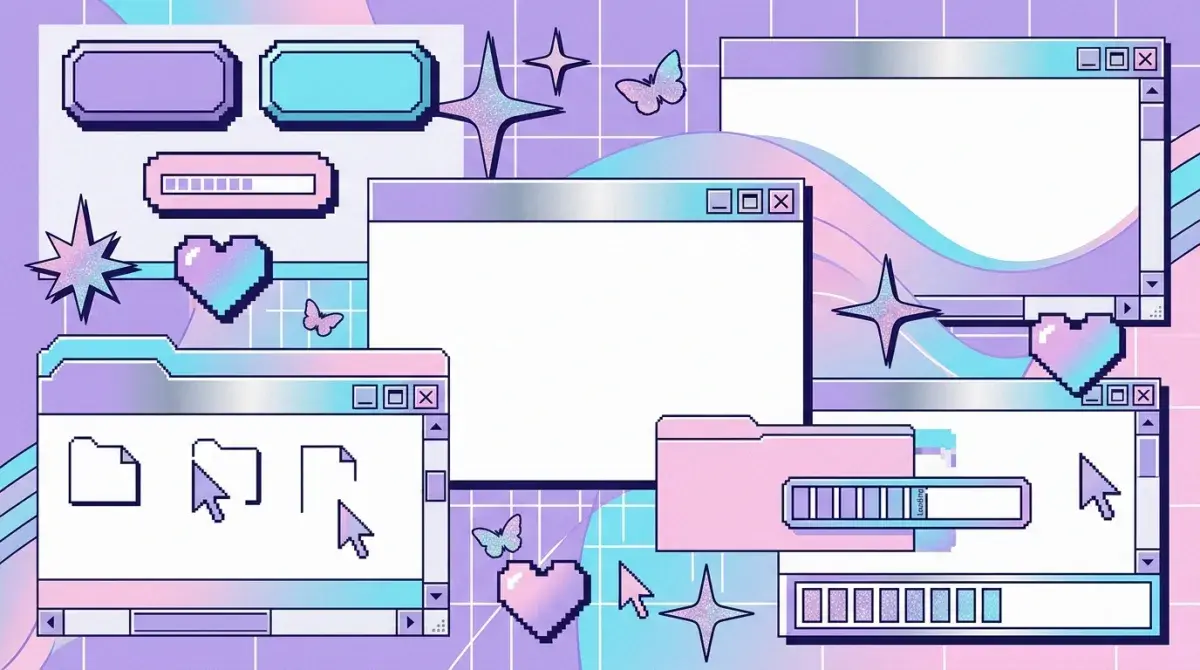
Three things are moving at once. First, the aesthetics: the Y2K web look — chunky pixel graphics, star and butterfly clip art, chrome gradients, tiled backgrounds, visitor counters, "under construction" energy — is everywhere in 2026 design, from personal sites to brand campaigns. Second, the formats: the customizable profile, the chronological feed, the long-form blog post, the webring. Third, the platforms themselves: MySpace is the biggest, but LiveJournal-style journaling communities, Xanga-adjacent blogs, and Friendster clones are all seeing renewed interest and, in several cases, venture funding.
If you want the practical status of the flagship platform — whether you can still log in, what survived, and how many people are back — we cover that in Is MySpace Still Active in 2026? This piece is about the wider pattern that MySpace sits inside.
Why now?
The trigger is exhaustion with algorithmic feeds. Over the last four years, nearly every major platform converged on the same TikTok-style recommendation model: content from strangers, engagement optimized for outrage, friends' posts buried. The pre-algorithm internet offered the opposite — you saw what the people you chose to follow posted, in the order they posted it, on pages they had decorated themselves. For Millennials that is a memory; for Gen Z it is a fantasy of an internet that felt human, and both groups are reaching for it.
There is also a self-expression angle. Modern platforms enforce a corporate visual grammar — every profile looks the same. The Y2K web was maximalist and personal: your page was a room you decorated. That impulse toward customization and lo-fi authenticity connects the platform revival to adjacent 2026 culture trends, from the wider push against algorithmic sameness to the aesthetic nostalgia captured in the sense that 2026 is the new 2016.
Is this a real shift or a moment?
Both. The platforms involved are still small — nobody is claiming MySpace threatens Instagram. But the underlying preference — friend-first, chronological, customizable, low-stakes — is durable and is showing up as feature demands on mainstream platforms too. The nostalgia is the entry point; the actual want is control over your own feed and your own page. Investors have noticed, which is why "Web 2.0 revivalism" is now a funding thesis rather than a joke.
If you want to lean into the aesthetic yourself, our sister tool Social Text generates retro, decorative text posts and captions that fit the Y2K web mood — a quick way to give a revived profile or a nostalgia post the right visual voice.
Origin
The early-2000s 'Web 2.0' era — MySpace, Friendster, LiveJournal, Xanga, and the customizable, friend-first social internet — was displaced by Facebook's clean uniform design in the late 2000s and then by algorithmic recommendation feeds in the 2010s and early 2020s. The nostalgia revival began building in the early 2020s and accelerated sharply in 2025–2026 as dissatisfaction with algorithmic platforms peaked and both Millennials and Gen Z began actively seeking pre-algorithm alternatives.
Timeline
Why Is This Trending Now?
In mid-2026 the MySpace comeback pulled broader attention to a pattern that had been building quietly: a coordinated revival of Y2K web aesthetics and pre-algorithm platforms. Press coverage, Gen-Z TikTok nostalgia content, and a wave of Web 2.0-revivalist startups turned a niche subculture into a mainstream culture story about people wanting the old, friend-first internet back.